Genjio Cusang: A Unique Script Font for Web Design
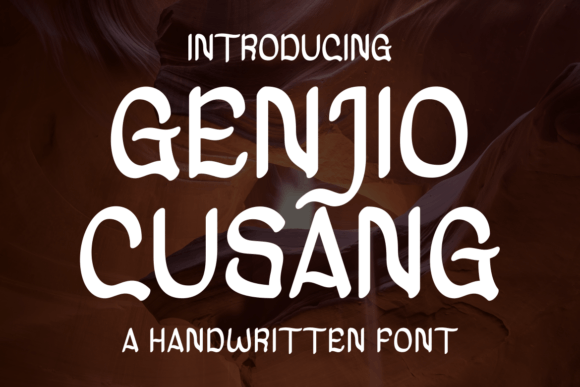
In the fast-paced world of digital product creation, the difference between a user bouncing off a landing page and converting often comes down to split-second visual decisions. As web designers and UI specialists, we know that typography is not just about legibility; it is about setting a tone, establishing trust, and guiding the eye through a complex interface. This is where Genjio Cusang enters the conversation as a compelling asset for modern web experiences. Classified within the Script Amp category, this unique typeface offers a distinct personality that bridges the gap between handwritten authenticity and professional display quality.
When evaluating a new typeface for a client project or a personal portfolio, the first question is always about character. Genjio Cusang possesses a fluid, organic structure that feels human yet polished. Unlike rigid geometric sans serifs that dominate SaaS dashboards, this font brings warmth. It is an excellent choice for brands that need to feel approachable, creative, or boutique. In a digital landscape saturated with generic system fonts, deploying a premium font like Genjio Cusang in your hero sections can instantly elevate the perceived value of a product or service.
Elevating Visual Hierarchy in Digital Layouts
The primary function of any display font in web design is to create a clear visual hierarchy. Users do not read websites; they scan them. They look for anchors—headings, buttons, and highlighted phrases—that tell them where to look next. Genjio Cusang excels in this role due to its high-contrast strokes and distinctive letterforms. When used for main headlines on a landing page, it commands attention without shouting.
Consider a coaching website or a course sales page. The hero title needs to resonate emotionally before the user reads the value proposition. By applying Genjio Cusang to the H1 tag, you create an immediate emotional connection. The script style suggests expertise mixed with personal touch, which is vital for consultants, artists, and lifestyle brands. However, because it is a script-based display font, it should be used strategically. It is best reserved for short phrases, logos, section headings, and call-to-action areas rather than long blocks of text.
For body copy, always pair this creative font with a highly readable sans serif font or a neutral serif font. A classic pairing would be Genjio Cusang for headers combined with a clean grotesque sans serif for paragraphs. This contrast ensures that while the brand identity feels unique, the actual content remains easy to digest on both desktop and mobile screens.
Practical Applications for Online Stores and Branding
Beyond standard corporate websites, Genjio Cusang shines in e-commerce environments. For online store owners, particularly those selling handmade goods, fashion, or artisanal products, the font acts as a digital extension of packaging design. Imagine a boutique clothing store where the "New Collection" banner utilizes Genjio Cusang overlaid on a high-resolution lifestyle image. The result is an editorial feel that mimics high-end magazine layouts.
This versatility extends to various digital assets:
- Logo Design: The unique flow of the characters makes it suitable for wordmarks that need to stand out on favicons and social media profiles.
- Social Media Graphics: Use it for quote cards or promotional stories to maintain brand consistency across platforms.
- App Screens: Ideal for welcome screens or empty states in mobile applications where a friendly tone is required.
- Movie Titles and Posters: While primarily for web, its dramatic flair works well for video thumbnails and digital advertising banners.
When designing for conversion-focused layouts, such as a webinar registration page or a software demo signup, using Genjio Cusang for the sub-headline can add a layer of sophistication. It breaks the monotony of standard marketing copy and signals that the brand behind the product cares about aesthetics and detail.
Readability and Responsive Considerations
One of the biggest challenges with handwritten font styles is maintaining readability on small screens. As a UI designer, you must test Genjio Cusang rigorously across different breakpoints. On mobile devices, script fonts can sometimes become illegible if the x-height is too small or if the connecting strokes are too intricate.
To ensure optimal performance:
- Increase Line Height: Give the letters room to breathe. Tight leading can cause ascenders and descenders to collide, especially on retina displays.
- Contrast is Key: Ensure strong contrast between the text and the background. Genjio Cusang works beautifully on light backgrounds, but if used on dark modes or image overlays, ensure there is a subtle drop shadow or backdrop blur to separate the text from busy visuals.
- Limit Character Count: Keep headlines short. Long sentences in script fonts force the user to slow down their scanning speed, which can increase bounce rates.
- Button Usage: Be cautious when using script fonts on small buttons. It is generally better to use a bold sans serif for the actual "Buy Now" or "Submit" action, reserving Genjio Cusang for the label above the button or the section header.
Technical Implementation and Licensing
From a technical standpoint, integrating Genjio Cusang into a web project requires attention to file formats and loading strategies. Modern web design relies on webfont technologies like WOFF2 to ensure fast load times. Before purchasing, verify that the font package includes web-ready formats and check for multilingual support if your target audience is global. A font that lacks proper glyph coverage can break the layout when special characters appear.
Furthermore, understanding commercial font licensing is critical for professional designers. If you are building a website for a client, an online store, or a digital template that will be sold, you must secure the appropriate license. Most premium fonts offer specific licenses for desktop use versus web embedding. Using a font beyond its licensed scope can lead to legal issues for both you and your client. Always review the terms regarding server uploads, monthly pageview limits, and the number of domains covered.
Ultimately, Genjio Cusang is more than just a set of glyphs; it is a tool for shaping brand identity. Whether you are crafting a portfolio site to showcase your work, designing a landing page for a new app, or creating marketing materials for a local business, this typeface provides the stylistic flexibility needed to make a lasting impression. By balancing its decorative nature with solid UX principles, you can create digital experiences that are not only beautiful but also effective at driving user engagement.